

Is Fever Dangerous in Adults? Fever is one of the most common health symptoms adults experience, yet it often causes anxiety.
In most cases, fever is not dangerous — but there are important exceptions every adult should understand.This medically reviewed guide explains normal vs dangerous fever levels, common causes,
safe treatments, and clear warning signs that require medical attention in the United States.
What Is Considered a Fever in Adults?
A fever occurs when the body’s temperature rises above its normal range as part of the immune response.
According to U.S. medical standards:
| Body Temperature | Meaning |
|---|---|
| 97°F–99°F (36.1°C–37.2°C) | Normal range |
| 99.1°F–100.3°F | Low-grade fever |
| 100.4°F–102°F | Moderate fever |
| 103°F–104°F | High fever (potentially dangerous) |
| 105°F or higher | Medical emergency |
A temperature of 100.4°F (38°C) or higher is generally considered a fever in adults.
Is Fever Dangerous in Adults?
In most healthy adults, fever itself is not dangerous.
It is a sign that the immune system is actively fighting infection.
Mild to moderate fevers often help the body recover faster.
However, fever can become dangerous depending on:
- How high the temperature rises
- How long the fever lasts
- Underlying health conditions
- Associated symptoms
The danger usually comes from the cause of the fever, not the fever alone.
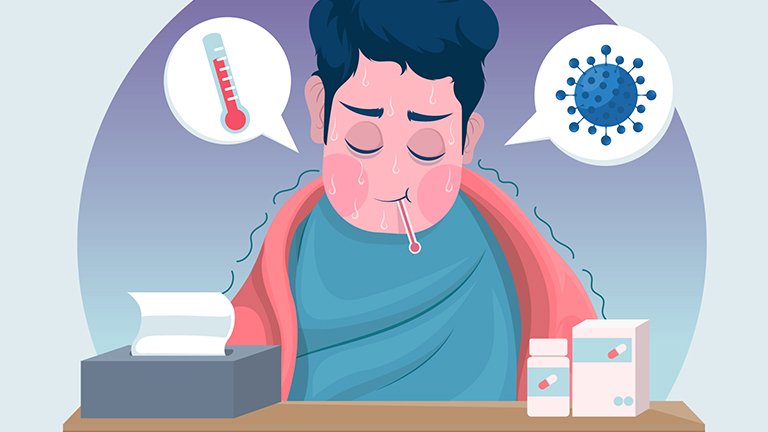
Common Causes of Fever in Adults
Fever can be triggered by many conditions, including:
- Viral infections (flu, COVID-19, common cold)
- Bacterial infections (pneumonia, urinary tract infection)
- Inflammatory conditions
- Medication reactions
- Heat exhaustion or heat stroke
- Autoimmune diseases
In the U.S., viral infections are the most common cause of fever in adults.
When Is Fever Dangerous in Adults?
A fever becomes concerning when it reaches certain thresholds or includes serious symptoms.
Seek medical care if an adult has:
- Fever of 103°F (39.4°C) or higher
- Fever lasting more than 3 days
- Severe headache or stiff neck
- Chest pain or difficulty breathing
- Confusion, dizziness, or fainting
- Persistent vomiting or dehydration
- Seizures
Adults with chronic conditions such as heart disease, diabetes, cancer, or weakened immune systems
should contact a healthcare provider sooner.
Can Fever Cause Brain Damage in Adults?
This is a common fear. The answer is reassuring:
Typical fevers caused by infection do not cause brain damage.
Brain damage generally occurs only when body temperature exceeds
107°F (41.7°C), which is extremely rare and usually related to heat stroke, not infection.
Is Fever Without Other Symptoms Dangerous?
A fever without obvious symptoms can still occur, especially early in an infection.
Short-term fever without other symptoms is usually not dangerous.
However, a fever that persists without explanation may require evaluation to rule out:
- Hidden infections
- Inflammatory diseases
- Medication side effects

How to Safely Treat Fever in Adults (USA Guidelines)
Most fevers can be safely managed at home using these steps:
- Drink plenty of fluids to prevent dehydration
- Rest and avoid strenuous activity
- Wear light clothing
- Use fever-reducing medications if needed
Over-the-Counter Fever Medicines (USA)
- Acetaminophen (Tylenol) – gentle on the stomach
- Ibuprofen (Advil, Motrin) – reduces inflammation
Always follow the dosage instructions on the label.
Do not combine medications unless advised by a healthcare professional.
When Should an Adult Go to the ER for Fever?
Go to the emergency room immediately if fever is accompanied by:
- Difficulty breathing
- Severe chest pain
- Sudden confusion
- Seizures
- Signs of heat stroke
In the U.S., emergency care is essential when fever threatens vital organ function.
Bottom Line: Is Fever Dangerous in Adults?
Most fevers in adults are not dangerous and indicate that the immune system is working properly.
However, high, persistent, or symptomatic fevers should never be ignored.
Understanding warning signs and knowing when to seek care can prevent complications and provide peace of mind.
Medical Disclaimer:
This content is for informational purposes only and does not substitute professional medical advice.
Always consult a licensed healthcare provider for diagnosis and treatment.
According to guidance from U.S. health authorities such as the CDC and Mayo Clinic,
seek immediate care if symptoms are severe or worsening.
Frequently Asked Questions
No. A fever of 101°F is usually mild and not dangerous in healthy adults.
If fever lasts more than 3 days, medical evaluation is recommended.
Mild fevers can help fight infection, but comfort and safety should guide treatment.
Severe stress may raise body temperature slightly, but true fever usually indicates illness.