

A fever without cold or cough can feel confusing—and even alarming.
Most people associate fever with obvious symptoms like a runny nose or sore throat. So when your temperature rises but no respiratory symptoms appear, it raises a key question:
What’s causing the fever—and should you be worried?
In this guide, we’ll break down the real causes, risk levels, and next steps for adults experiencing fever without cold or cough—based on current U.S. medical guidance.
Is It Normal to Have Fever Without Cold or Cough?
Yes—it’s more common than you think.
Fever is a systemic immune response, not just a respiratory symptom. That means your body can develop a fever even when the lungs, throat, and sinuses are completely unaffected.
Most Common Causes (Adults)
1. Viral Infections (Early Stage)
Some viral illnesses start with fever only, then develop symptoms later.
Examples:
- Influenza (early phase)
- COVID-19 (some cases)
- Viral syndromes
Fever may appear 1–3 days before other symptoms
2. Urinary Tract Infection (UTI)
Especially common in adults—particularly women.
Symptoms may include:
- Fever
- Burning urination
- Lower abdominal discomfort
Sometimes fever is the first sign
3. Gastrointestinal Infections
You may not have cough or cold—but fever can be linked to:
- Food poisoning
- Stomach infections
Symptoms may follow:
- Diarrhea
- Nausea
- Abdominal cramps
4. Inflammatory Conditions
Autoimmune disorders can trigger fever without respiratory signs.
Examples:
- Rheumatoid arthritis
- Lupus
5. Medication-Induced Fever
Some medications can cause fever as a side effect.
6. Hidden Infections
Certain infections don’t show obvious symptoms early:
- Kidney infection
- Internal abscess
- Blood infection (rare but serious)
Quick Overview Table
| Factor | Details |
|---|---|
| Condition | Fever without cold or cough |
| Common Causes | Viral infections, bacterial infections, dehydration, heat exhaustion |
| Possible Diseases | Dengue, malaria, typhoid, urinary tract infection (UTI) |
| Main Symptoms | High temperature, fatigue, body ache, headache, कमजोरी (weakness) |
| Not Present | No runny nose, no cough, no sore throat |
| Duration (Normal) | 1–3 days (viral), longer if infection-related |
| Warning Signs | Fever >102°F, lasting 3+ days, rash, vomiting, severe weakness |
| Home Treatment | Rest, hydration, paracetamol, light diet |
| When to See Doctor | If fever persists >3 days or symptoms worsen |
| Risk Group | Children, elderly, low immunity individuals |
When Should You Be Concerned?
A fever without cold or cough becomes concerning if:
- It lasts more than 3 days
- Temperature exceeds 103°F
- You feel unusually weak or confused
- New symptoms suddenly appear
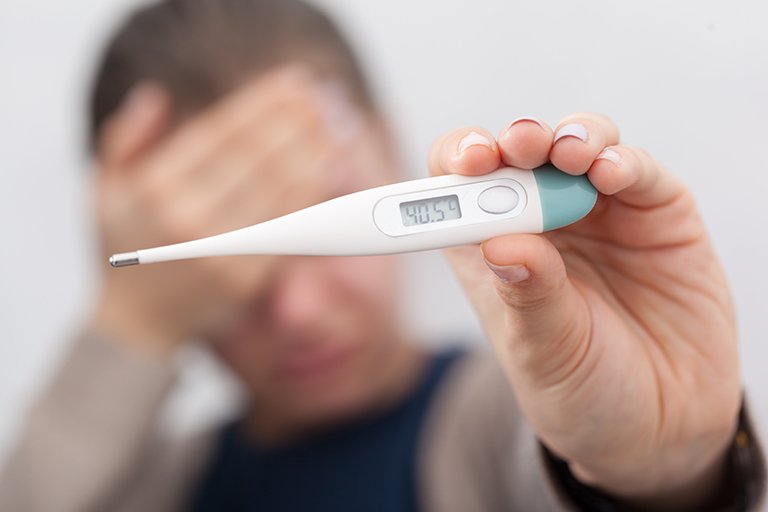
If your fever continues, you should review:
https://www.prescriptionchamber.com/fever-for-3-days-in-adults-should-you-be-worried/
Warning Signs (Seek Medical Care)
- Persistent high fever
- Severe headache
- Abdominal pain
- Burning urination
- Rash
- Confusion
How Doctors Diagnose the Cause
In the U.S., doctors may use:
- Blood tests
- Urine analysis
- Imaging (if needed)
Diagnosis depends on symptom progression, not just temperature.
Home Care Tips
If symptoms are mild:
- Stay hydrated
- Rest well
- Use OTC medications (acetaminophen/ibuprofen)
- Monitor for changes
More Info:
Final Takeaway
Fever without cold or cough is not unusual—but it requires careful observation.
Most cases are harmless, but persistence or additional symptoms should never be ignored.
FAQ:
Fever without cold or cough is commonly caused by viral or bacterial infections, dehydration, heat exhaustion, or conditions like dengue, malaria, or urinary tract infections. Sometimes, the body’s immune response can trigger fever without noticeable respiratory symptoms.
Yes, fever without cough can still indicate an infection. Many infections such as dengue, typhoid, or urinary tract infections may not include respiratory symptoms, especially in early stages.
You should worry if the fever lasts more than 2 to 3 days, exceeds 102°F (39°C), or is accompanied by severe symptoms like headache, rash, vomiting, or weakness. Persistent fever without clear cause needs medical attention.
To treat fever at home, drink plenty of fluids, get enough rest, and take paracetamol if needed. Eat light meals and monitor your temperature regularly. Avoid antibiotics unless prescribed by a doctor.
Yes, viral fever can occur without cough or cold. Many viral infections start with fever, fatigue, and body aches without respiratory symptoms, which may appear later or not at all.
SCSCSC